Here’s how much municipal executives earn while services collapse
· Citizen
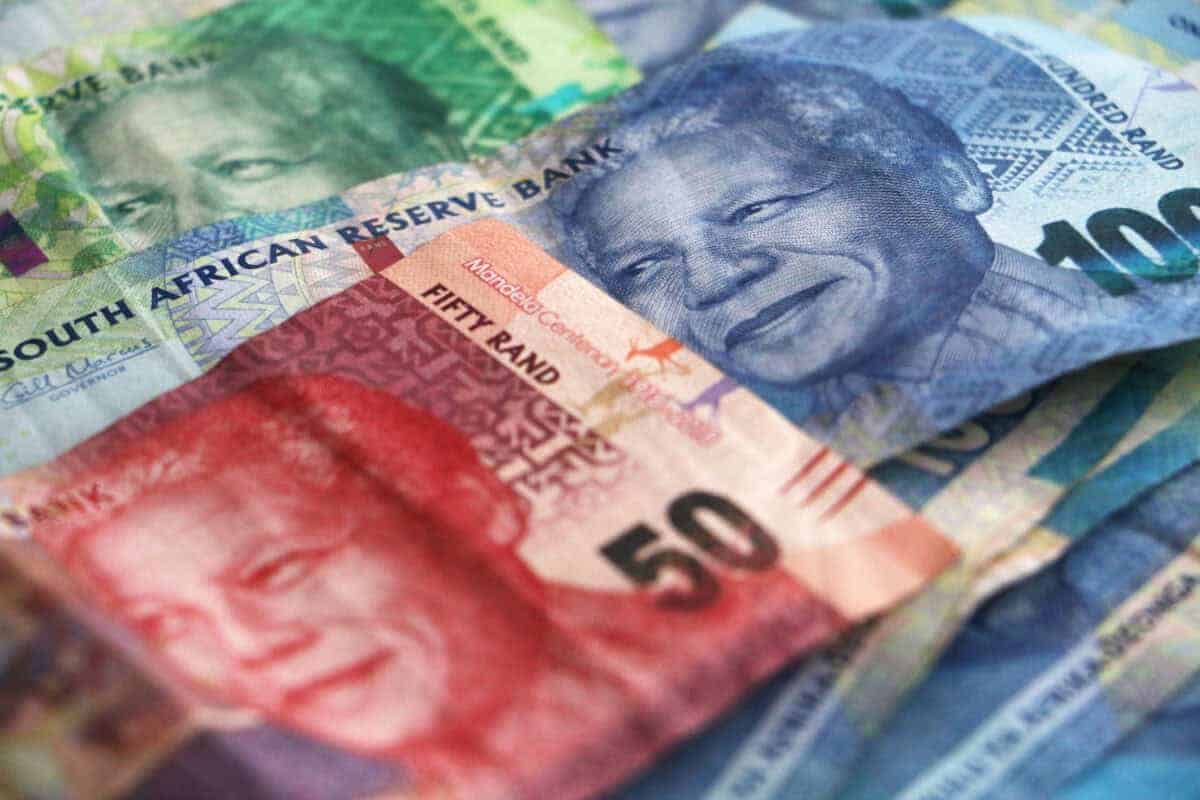
South Africa’s metropolitan municipalities are under fire for paying senior executives millions while service delivery collapses.
Visit sport-tr.bet for more information.
Auditor-general Tsakani Maluleke’s latest report reveals that 16 top officials across eight metros pocketed more than R44 million in 2023-24, even as many of their administrations failed audits and struggled financially.
Experts warn the mismatch between pay and performance points to systemic collusion, corruption and a widening gap between municipal elites and the communities they are meant to serve.
Fat salaries
Below is the list of the municipalities that are reportedly paying their senior employees fat salaries:
- City of Cape Town manager Lungelo Mbandazayo earns about R4.8 million a year;
- City of Ekurhuleni manager Kagiso Lerutla earns about R4.8 million a year;
- City of eThekwini manager Musa Mbhele earns about R3.8 million a year;
- City of Joburg pays its senior managers, including the chief financial officer, about R4 million a year;
- Nelson Mandela Bay has reportedly increased the salaries of top management by 75% in recent years;
- Tshwane’s executive directors will receive a salary increment amounting to over R3.3 million a year; and
- Buffalo City and Mangaung metropolitan are also said to be paying lucrative salaries, while the municipalities were struggling financially.
Allegations of collusion and corruption
Themba Godi, leader of the African People’s Convention and former parliamentary standing committee on public accounts chair, said salaries and performance in the public service “have to a very large extent been a mismatch and it’s worse in municipalities and public entities”.
Godi said the salaries for senior officials, compared to their performances, clearly show that there was a conspiracy between the political leadership who were councillors and management in relation to payments.
“Managers are allowed to get exorbitant salaries because they then collude in the corruption perpetrated by service providers and councillors,” he said.
“Today, we see many municipalities are on the brink of collapse, but when you look at the salaries of their leading officials, they are very high.
“And you would assume that the public is buying very professional, effective and efficient services. Yet, we see from time to time that the delivery of services, management and accounting for public finance are at a very disgusting level.”
Godi called for a review of these high salaries, saying these should not be higher than that of the state president.
“If you look at a number of senior managers in the public service, some of them earn twice or three times more than the state president. But when we look at their performances, they are often found to be wanting,” he said.
“So, when we look at the state of municipalities they are collapsing, we find they are failing to deliver basic services such as water, proper roads, sanitation and other related things while these managers were paid high salaries.”
Pay and performance gap fuels public distrust
Prof Theo Neethling, a research fellow in political studies and governance at the University of the Free State, said the auditor-general’s report supports an increasing political narrative regarding poor accountability and deteriorating governance quality in South Africa’s metropolitan municipalities.
In spite of substantial executive pay, only Cape Town and Ekurhuleni succeeded in receiving a clean audit, while municipalities such as Johannesburg, eThekwini and Nelson Mandela Bay faced audit setbacks and persistent governance issues.
“The gap between substantial salaries and poor performance enhances views of a detached municipal elite and bolsters political critiques suggesting that the quality of governance – rather than financial resources – is central to failures in service delivery,” Neethling said.
“It also weakens the claim that high salaries necessarily lead to a more professional and efficient administration.”
He said high executive pay was also particularly notable in Johannesburg, where 10 out of the 13 municipal entity executives’ earnings apparently surpass that of the state president.