Why India Is On The Section 301 List And What New Delhi Stands To Lose Or Gain
· Free Press Journal
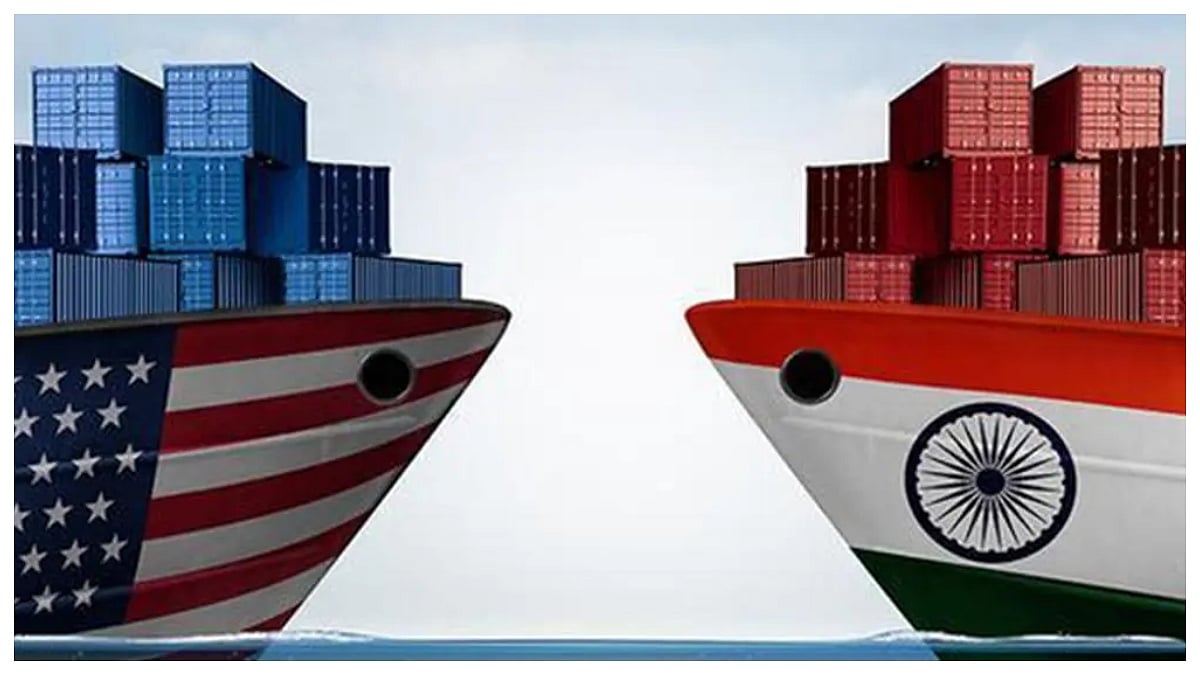
Amid the rankles of war in West Asia, the Trump administration has simultaneously launched a sweeping set of trade investigations into 16 major economies, including powerhouse partners like India, China and the European Union. This move signals a return to a "hardline" trade policy, using a specific legal tool to rebuild tariff pressure after recent courtroom defeats.
Visit asg-reflektory.pl for more information.
Ambassador Greer announced the initiation of Section 301 investigations into acts, policies, and practices of various economies relating to structural excess capacity and production in manufacturing sectors.
— United States Trade Representative (@USTradeRep) March 11, 2026
Learn more: https://t.co/c2acombThV pic.twitter.com/EhAcr8so2Y
Who is involved and what is being investigated?
Who: The Office of the US Trade Representative (USTR), led by Jamieson Greer, is targeting 16 economies: India, China, Mexico, the European Union, Japan, Taiwan, Vietnam, South Korea, Singapore, Switzerland, Norway, Indonesia, Malaysia, Cambodia, Bangladesh and Thailand.
What: A formal investigation under Section 301 of the Trade Act of 1974. This is a powerful domestic law that allows the US to investigate and punish "unfair" trade practices, such as government subsidies, currency manipulation or restricted market access.
Where: The impact is global, spanning from manufacturing hubs in Southeast Asia to advanced tech sectors in Europe and India.
When: The probes were launched in early March 2026. The administration aims to conclude them by July 2026, coinciding with the expiration of temporary emergency tariffs.
Why: To create a "legal shield" for tariffs. Last month, the US Supreme Court struck down Trump’s "reciprocal tariff" policy as illegal. By using Section 301, the administration is switching to a more "court-proof" legal route to keep pressure on trading partners.
How the Section 301 process works
Unlike broad executive orders, a Section 301 probe follows a specific legal procedure designed to gather "evidence" of unfairness.
The investigation: The USTR examines "structural excess capacity"—essentially when a country produces way more than it needs (often via subsidies), "dumping" the extra goods into the US at low prices.
Public input: The US will accept written comments through April 15 and hold public hearings around May 5.
The verdict: If the USTR finds that US commerce is being "burdened" or "restricted," the president can unilaterally impose retaliatory measures.
The penalties: These usually take the form of increased tariffs, but can also include service fees or restricted access to the US market for certain sectors.
Why India is in the crosshairs
India’s inclusion highlights a complex relationship. While the US views India as a key strategic ally against China, it has long-standing "economic grievances" with New Delhi.
The US is specifically looking at:
High "wall" of tariffs: India maintains high import duties on items like automobiles, alcohol and medical devices.
Digital protectionism: Rules requiring US tech companies to store data locally (data localisation) and strict regulations on e-commerce.
Pharmaceuticals: India’s use of price controls on drugs and medical equipment, which US companies argue unfairly limits their profits.
The economic stakes: Who wins and loses?
If these investigations lead to new tariffs this summer, several industries could see immediate disruptions:
Technology & electronics: Exports of IT hardware from India and Taiwan could become significantly more expensive.
Pharmaceuticals: India is the 'pharmacy of the world' and higher duties could raise the cost of generic medicines for American consumers.
Automotive: Supply chains for auto parts in Mexico, Japan and the EU could face new "border taxes."
Labour standards: A secondary probe into forced labour—covering over 60 countries—could lead to total import bans on goods like textiles or minerals if they are linked to unethical work practices.
Leverage over conflict?
Despite the aggressive tone, US Trade Representative Jamieson Greer hinted that these probes are a negotiating tactic. By threatening tariffs that would go into effect in July, the US is essentially giving these 16 partners a deadline to strike new trade deals that favour American businesses.
"President Trump is determined to pursue tariffs and will find a way to deal with unfair trading practices... We have a lot of tools to do it," says Greer.