Why That Hug Hurt? How Punch Opened Up a Deeper Conversation About Attachment, Loneliness & Our Human Need for Comfort?
· Free Press Journal
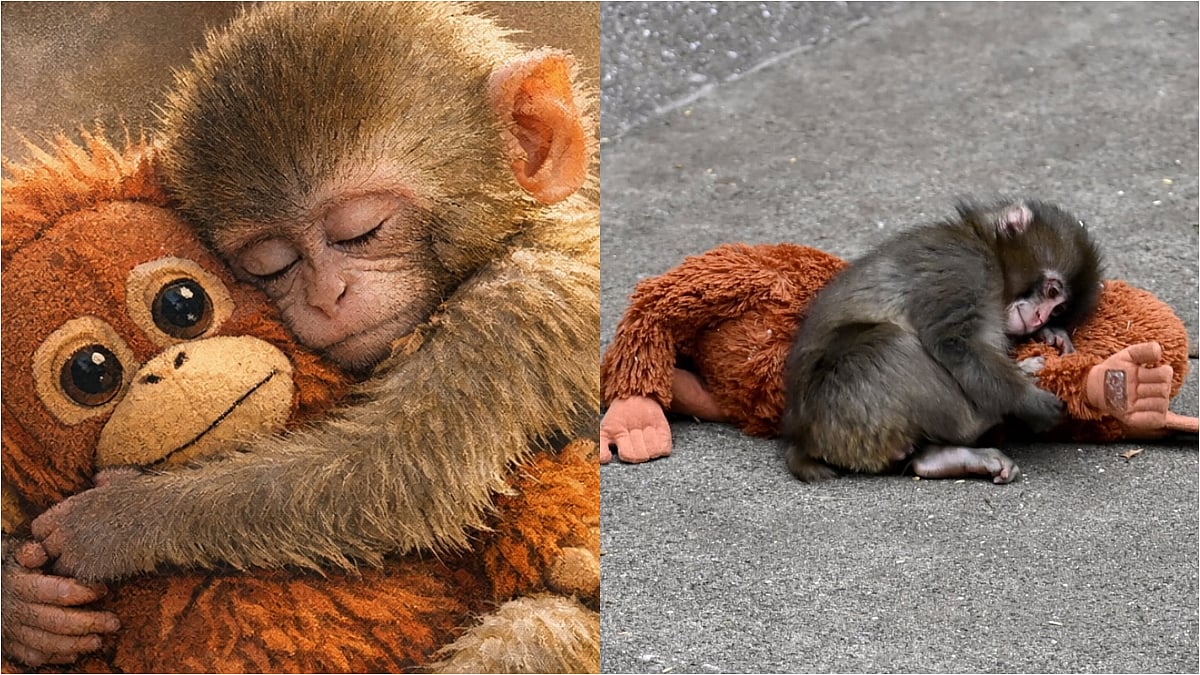
The internet rarely pauses for anything these days. But when a tiny baby macaque named Punch appeared on Instagram, holding a plush toy with both arms and refusing to let go, something shifted. Punch was abandoned by his mother and shunned by the rest of his tribe, so his zookeepers at Ichikawa City Zoo in Japan gave him an orangutan plushie to act as a mother figure. Videos showing the monkey gripping the toy have gone viral all over the world.
Visit forestarrow.help for more information.
People didn’t just double-tap on social media, they felt something. A mixture of compassion and grief filled the comments section. ‘He looks so lonely,’ ‘This broke me,’ ‘He just needs love.’ Some cried, some grinned, and some asked, ‘Why does this hurt so much to watch?’ as everyone else was.
Punch wasn’t talking, yet everyone understood. In his grip, in that desperate need to feel safe, we saw something achingly human.
Punch made us feel something
The videos showed Punch refusing to let go of his toy, hugging it while eating, sleeping, even when people tried to take it away. To the internet, it wasn’t just cute anymore. It was a moment of raw emotion. That small act of clinging touched something deep inside us, a reminder that beneath all our noise and independence, we all want to feel safe in someone’s arms.
It was strange, really. How a baby monkey on a screen made millions of adults remember their own softness. The people they missed, the comfort they longed for, the way they held onto things when life felt uncertain.
“I couldn’t stop watching him. It made me think about how, when I’m anxious, I reach for my old hoodie. It’s not just cloth, it’s safety,” says Nandni Mandal. That’s exactly what attachment is. Not a theory in a psychology textbook, but a universal need to connect, to be understood, and to belong.
What is attachment theory?
At its core, attachment theory explains how we learn to love and how we handle closeness. It starts early like how we were comforted as babies, how we were held when we cried, and how safe we felt when someone left the room. Those moments create a quiet blueprint that follows us into every relationship we have as adults.
We might grow older, but the instinct never fades. Punch’s toy was his safety net, the same way someone’s playlist, pet, or partner becomes theirs. We all have something that tells us, “You’re not alone.”
The types
Secure attachment: People with secure attachment are those who can love freely without fear. They don’t panic if someone doesn’t text back immediately. They trust easily and feel comfortable being both close and independent. Think of that friend who always seems calm in relationships, who listens more than they assume.
Anxious attachment: Then there are those who crave closeness but fear losing it. They replay conversations, worry about silence, and often overthink love. “I’m the type of person who just texts at minor inconvenience to my friends that I do something wrong?” laughs Ritika Rawat. She shares, “I just need to know people still care. Watching Punch made me realise, I just want to feel safe, not needy.”
Avoidant attachment: These are the ones who say, “I’m fine” when they’re clearly not. They’ve learned to survive by keeping emotions at a distance. To them, independence feels safer than vulnerability. They love but quietly, from afar.
Disorganized attachment: And then there are those who swing between wanting love and fearing it. They hold on, then pull away. They want comfort but expect pain. “That’s me to the core. I crave connection, but the moment someone gets too close, I panic. It’s confusing, but it’s real,” admits Hanish Sugandh.
None of these styles are permanent. They’re patterns, habits shaped by how we learned to seek love and safety.
Baby Punch Finally Gets A Hug, Makes New Friends; Massive Crowd Gathers At Japan's Ichikawa City Zoo To Watch The Macaque - VideoWhy Punch hit so deep
When we saw Punch hugging that toy, it wasn’t just sympathy, it was recognition. We saw our younger selves, our anxious moments, and our lonely nights. We saw the side of us that longs to be held without judgment, to be told, “You’re okay.” Because that’s what attachment really is about trust. It’s the invisible thread that keeps us connected when life feels too loud.
“We relate to Punch because he represents the part of us that has felt OTHERED or overlooked. His plushie is a metaphor for the digital or professional ANCHORS we use to soothe our own isolation. Also, the internet’s heartbreak for Punch is a collective admission & recalibration of empathy… we are all wired for connection… and there is no shame in seeking comfort when the world feels cold,” explains Namrata Jain, Psychotherapist & Relationship Expert.
A quiet lesson
The beauty of Punch’s story lies in its simplicity. He just wanted comfort. And that quiet, instinctive act made millions remember something we often forget in the rush of growing up.
We all crave security. We all want warmth. And sometimes, even if we don’t admit it, we’re all just trying to find something soft to hold onto until the storm passes.
Maybe that’s why Punch broke the internet’s heart. Because in his tiny hands, wrapped around that toy, he reminded us that love in all its forms is never complicated. It’s just the need to feel safe, to belong, and to know someone’s there, even when the world goes quiet.